Whether you're a business traveler, a digital nomad, or simply off on holiday, when you carry cryptocurrency with you—or even have holdings stored “in the cloud”—there are specific risks that come into play. This article walks through how to maintain crypto security on the go, what to prioritize, what mistakes to avoid, and why using a hardware wallet (in particular from Ledger) is among the best options when you travel.
Why Traveling With Crypto Increases Risk
When you're at home, you typically enjoy stable systems, trusted WiFi, and a controlled environment. Once you hit the road, your security surface expands. Here are some of the most common risks travelers face:
- Untrusted networks and devices: Airports, cafés, and hotels often use insecure shared WiFi networks vulnerable to interception.
- Loss or theft: Laptops, phones, and hardware wallets are at greater risk of being lost or stolen in transit.
- Customs and border inspections: In some countries, authorities may inspect or even seize electronic devices.
- Targeted attacks: If you’re publicly known to hold crypto, you may be targeted for theft or coercion.
- Limited access to backups: If your recovery seed or cold storage is left at home, recovery can be complicated if something happens abroad.
The Importance of Self-Custody
Crypto gives you control over your assets—but that control comes with responsibility. When traveling, this responsibility becomes critical. Exchanges can be hacked, frozen, or inaccessible abroad, leaving you locked out. Keeping your private keys in your possession ensures that no third party can compromise your holdings. This is where hardware wallets shine—they let you maintain self-custody securely, even on the road.
Core Principles for Keeping Crypto Safe While Traveling
- Minimize exposure: Only carry the crypto you actually need for your trip. Leave long-term holdings in cold storage at home.
- Use hardware cold storage: Keep private keys offline using a device like a Ledger wallet.
- Secure your backups: Store seed phrases safely and separately from your wallet. Never carry them together.
- Protect your devices: Use full-disk encryption, VPNs, strong passwords, and avoid untrusted computers or charging stations.
- Plan for contingencies: Have a recovery plan if your wallet or device is lost or stolen.
- Practice good operational security (OpSec): Avoid discussing crypto holdings publicly and stay discreet during your travels.
Why a Hardware Wallet Like Ledger Is the Best Travel Companion
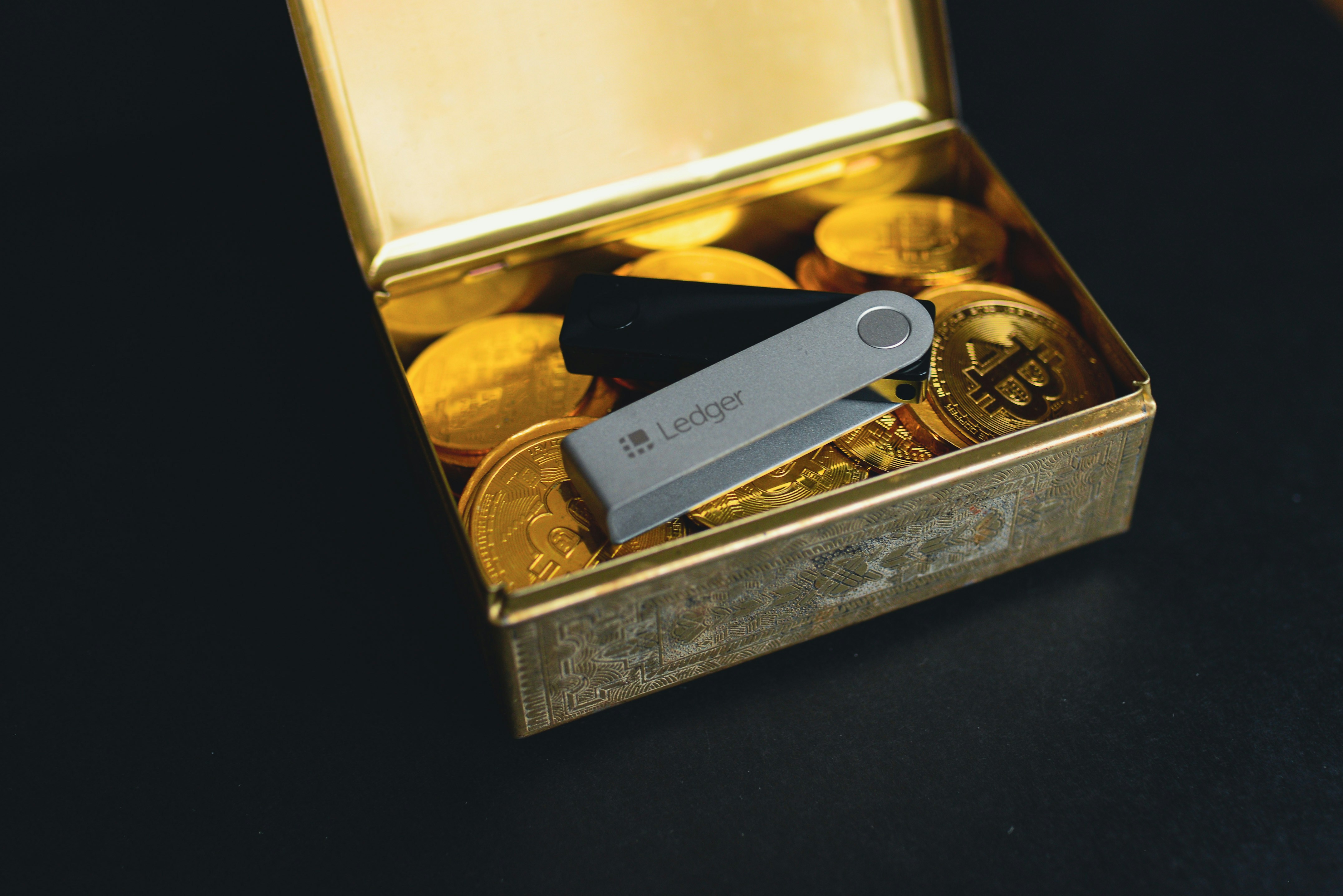
A hardware wallet stores your private keys offline, dramatically reducing the risk of theft from malware or hacking. Ledger, one of the leading hardware wallet manufacturers, offers a balance of portability, robust encryption, and ease of use that makes it ideal for travelers.
- Offline storage: Ledger devices isolate private keys from the internet, ensuring hackers cannot access them remotely.
- Compact and portable: The small USB-sized design makes it easy to carry securely, even in your pocket or luggage.
- Certified security: Ledger wallets use secure element chips (EAL5+ certified) that resist tampering.
- Wide compatibility: They support thousands of cryptocurrencies, letting you manage multiple assets from one device.
- Trusted brand: Ledger’s strong reputation and large user base mean better community support and reliability.
Get Your Ledger Before You Go
Travel with peace of mind by keeping your keys offline. Buy a Ledger hardware wallet directly from the official store to ensure authenticity and the latest firmware. Get your Ledger here and start your trip with your crypto secured.
Tip: for maximum safety, purchase only from Ledger’s official store or an authorized reseller, and set up the device yourself—never use a pre-seeded wallet.
Pre-Travel Preparation Checklist
- Purchase your hardware wallet directly from the manufacturer to avoid tampered devices.
- Update firmware and install all necessary apps before departure.
- Generate and securely record your 24-word seed phrase on a metal backup plate or other durable medium.
- Store your seed phrase in a separate secure location (safe at home or with a trusted contact).
- Decide what percentage of your holdings to carry—only what’s needed.
- Encrypt and password-protect your laptop and phone. Use a VPN for all network connections.
- Research crypto regulations in each destination country.
Best Practices During Travel
- Keep your hardware wallet in your carry-on, never in checked luggage.
- Use your own mobile hotspot or VPN instead of public WiFi.
- Always verify the receiving address on your hardware wallet screen before sending funds.
- Store your backup seed in a separate, secure place (hotel safe or locked compartment).
- Be discreet about your crypto activities—don’t mention it to strangers or post about it online.
- Avoid using public computers, USB ports, or shared charging stations.
Post-Travel Steps
- Inspect your Ledger or other hardware wallet for signs of tampering.
- Transfer your holdings back to long-term cold storage once home.
- Update all software and firmware to the latest versions.
- Review your travel experience and update your security plan if needed.
Common Mistakes Travelers Make
- Using an exchange wallet instead of a hardware wallet while abroad.
- Carrying the seed phrase in the same bag as the hardware wallet.
- Failing to use a VPN or secure network when transacting.
- Leaving the wallet unattended in hotel rooms or public areas.
- Not verifying addresses on the hardware wallet screen before sending funds.
- Ignoring local regulations about crypto possession or use.
Example: A Smart Traveler’s Crypto Setup
Imagine a digital nomad named Alex. Before leaving for Asia, Alex buys a Ledger Nano X directly from Ledger. He sets it up, writes the recovery seed on a steel plate, and stores it in a bank safe at home. He only loads a small percentage of his holdings for business use. During his trip, Alex connects to his wallet only through his laptop with a VPN, using his mobile hotspot to avoid public WiFi. When he returns home, he moves the funds back to cold storage, wipes the travel device, and reviews his backup strategy. This layered security keeps his crypto safe even across multiple borders.
Ledger vs. Other Wallet Options
- Security: Ledger’s EAL5+ secure chip and proprietary OS provide superior protection against physical and digital attacks.
- Ease of use: The companion app, Ledger Live, simplifies portfolio management without compromising security.
- Portability: Devices like the Nano X are Bluetooth-enabled, allowing wireless transactions on the move—perfect for travelers.
- Support: Ledger supports over 5,500 coins and has a global user community and customer service network.
Tailored Tips for Different Travel Types
- Business Travelers: Carry minimal crypto, use only personal encrypted devices, and avoid relying on exchange accounts abroad.
- Digital Nomads: Split funds into two wallets—one for daily use and one kept offline for emergencies.
- Tourists: Keep the Ledger at home if you don’t need it. Use a small mobile wallet with limited funds for convenience.
Legal and Physical Considerations
- Check crypto laws in each destination—some countries restrict hardware wallets or digital assets.
- Keep devices away from extreme temperatures and humidity.
- Use carry-on bags to avoid damage or loss during flights.
- Consider crypto-specific insurance if traveling with large holdings.
Common Threats and Defenses
- Rogue WiFi: Use VPNs or personal hotspots to prevent interception.
- Malware and keyloggers: Use trusted devices only; hardware wallets protect keys from these attacks.
- Clipboard hijacking: Always verify destination addresses on your Ledger screen.
- Juice-jacking: Avoid public USB ports; carry your own charger.
- Phishing: Be skeptical of unsolicited emails or links during travel.
- Physical theft: Keep hardware wallets concealed and PIN-protected.
How Much Crypto Should You Travel With?
Only bring what you need. A common approach is to carry around 10% of your total portfolio for on-the-go use, leaving the rest secured in cold storage. This ensures that even if your travel wallet is compromised, you won’t lose everything.
Ledger Setup Recommendations for Travelers
- Set a strong PIN and enable auto-lock after inactivity.
- Disable Bluetooth when not in use to minimize exposure.
- Use the optional 25th-word passphrase for added protection.
- Inspect the device regularly for tampering or unusual wear.
- Store your seed phrase in a separate, secure, waterproof location.
Backup and Recovery Planning
- Engrave seed phrases on metal for fire and water resistance.
- Keep backups in multiple, geographically distinct locations.
- Consider splitting your seed phrase using Shamir’s Secret Sharing for added safety.
- Carry a spare hardware wallet stored separately as a backup device.
Transacting Abroad: Do It Right
- Only sign transactions through your Ledger hardware wallet.
- Use VPNs and trusted networks for all crypto operations.
- Verify all transaction details on the Ledger screen before confirming.
- Logout of all exchange accounts and clear browser data after use.
After the Trip
- Check all devices for tampering or malware.
- Transfer funds back to long-term cold storage.
- Update firmware and security protocols.
- Reassess your travel strategy and make improvements for next time.
Final Thoughts
Travel adds complexity to crypto security. Between untrusted networks, theft risks, and border scrutiny, maintaining self-custody with a secure device is essential. A hardware wallet—especially one from Ledger—provides the best balance of safety, portability, and usability. Combine it with good digital hygiene, encrypted backups, and a clear recovery plan, and you can explore the world with peace of mind knowing your crypto is protected.
No matter where your journey takes you—whether for business, adventure, or leisure—your financial freedom deserves the same protection as your passport. With Ledger in your pocket, your crypto stays yours, everywhere you go.

Leave a comment